ProMentor Digital Solutions | Digital Marketing Agency in India | ROI-Driven SEO, PPC & Social Media
TL;DR — QUICK SUMMARY
For Indian restaurants, digital marketing success comes down to six priorities: (1) a fully optimised Google Business Profile that dominates local Maps searches, (2) active Zomato and Swiggy profile management for delivery visibility, (3) Instagram food photography and Reels that generate reach and walk-in traffic, (4) WhatsApp for direct ordering, loyalty, and repeat business, (5) Google Ads targeting ‘restaurant near me’ and cuisine-specific queries, and (6) a systematic online review strategy that builds the trust signals customers check before choosing where to eat. This guide covers each channel with India-specific tactics, realistic costs, and a prioritised 90-day action plan.
QUICK ANSWER
Digital marketing for Indian restaurants works best when it focuses on the channels where hungry customers actually make decisions: Google Maps (for ‘restaurants near me’ searches), Zomato and Swiggy (for delivery discovery), and Instagram (for visual discovery and walk-in conversion). WhatsApp is India’s most underused restaurant marketing channel — used effectively for direct orders, loyalty programmes, and repeat business, it consistently outperforms email and SMS for Indian F&B businesses.
The restaurant business in India has changed more in the last five years than in the previous twenty. The customer who once walked past your signage and chose you because of location now opens Zomato before getting dressed, checks your Google rating before leaving the office, and decides whether to visit based on your Instagram feed.
Digital presence is no longer a marketing add-on for Indian restaurants — it is the primary discovery mechanism for new customers and the primary retention mechanism for existing ones. A restaurant with poor Google ratings, an abandoned Instagram account, and no WhatsApp marketing is invisible to an enormous proportion of its potential customer base.
The encouraging reality: most of your restaurant competitors in India are doing digital marketing poorly. The bar for standing out is lower than it looks. This guide gives you the complete strategy — prioritised, practical, and built specifically for the Indian restaurant market.
7.5M+ restaurants in India — the largest F&B market in Asia and among the most competitive globally NRAI, 2024 | 82% of Indian diners check online reviews before choosing a new restaurant Google India Consumer Survey, 2024 | 67% of food delivery orders in India are placed through Zomato and Swiggy NRAI Food Services Report, 2024 | 4× higher walk-in conversion rate for restaurants with 50+ Google reviews vs those with under 10 BrightLocal India, 2024 |
Restaurants operate in a uniquely competitive and impulse-driven market. A potential customer makes a dining decision in seconds, often with limited planning and strong location bias. They want to know: is it near me, is it good (reviews), does the food look appealing (photos), and can I get a table or order now (convenience)?
This decision process means restaurant digital marketing must prioritise three things above all else: visibility at the moment of hunger (Google Maps, Zomato/Swiggy), visual credibility (Instagram, Google photos), and social proof (reviews across all platforms). Everything else — SEO blog articles, email newsletters, LinkedIn — is secondary for most restaurant businesses.
The India-specific reality: Indian diners are the most review-conscious food consumers in Asia. A restaurant with a 3.8-star Google rating competing against a 4.5-star rating will lose business regardless of food quality — because the decision is often made before the customer has even tasted your food. Review management is not optional; it is existential.
1. Google Business Profile (Google Maps) Priority for restaurants: Highest — the single most important channel for any restaurant serving dine-in customers Effort level: Medium initial setup, low ongoing maintenance (30–45 minutes per week) Best for: Capturing ‘restaurant near me,’ ‘[cuisine] restaurant in [city],’ and ‘best restaurant [area]’ searches — the highest purchase-intent queries in food discovery India tip: Indian Google Maps users have a strong ‘near me’ behaviour. A restaurant with 100+ Google reviews, weekly photo uploads, and active Google Posts appears 3–4× more often in Local Pack results than identical restaurants with inactive profiles. Google Maps is also where customers call for reservations before visiting — enable the call button and keep hours rigorously updated. |
2. Zomato and Swiggy profile optimisation Priority for restaurants: Critical for any restaurant with delivery — 67% of Indian food orders go through these platforms Effort level: Medium — profile setup + weekly menu updates + photo uploads Best for: Delivery order volume, Zomato dine-in discovery, and Swiggy Instamart visibility for cloud kitchens and QSRs India tip: Zomato and Swiggy rankings within the app are driven by: rating (above 4.0 is the critical threshold), number of recent orders (algorithm rewards volume), photo quality (professional food photos increase order conversion by 30–40%), and menu completeness. Restaurants with complete menus, 20+ food photos, and a rating above 4.2 consistently appear in the top results for their cuisine category in their area. |
3. Instagram food marketing Priority for restaurants: High for dine-in restaurants — medium for pure delivery/cloud kitchen operations Effort level: Medium to high — requires consistent food photography and 3–4 posts per week Best for: Visual discovery by new customers, building a loyal follower base of repeat diners, and showcasing seasonal menus, specials, and events India tip: Indian food Instagram accounts in Hindi or regional languages consistently outperform English-only content in reach by 2–3×. Reels of food preparation (the ‘making of’ angle), plate reveals, and ambience videos outperform static food photos in engagement. Sunday dinner specials and festival menu announcements posted on Wednesday–Thursday consistently generate the highest walk-in response. |
4. WhatsApp marketing for restaurants Priority for restaurants: Very high for repeat business and direct ordering — India’s most underused restaurant marketing channel Effort level: Low — once set up, requires 1–2 hours per week to maintain Best for: Direct ordering (bypassing Zomato/Swiggy commission), repeat customer loyalty, event bookings, and daily specials communication India tip: A WhatsApp Business broadcast list of 200–500 loyal customers generates extraordinary ROI for Indian restaurants. Send the daily special at 11 AM, a weekend special on Friday, and an exclusive ‘WhatsApp customer’ offer monthly. Conversion rates from WhatsApp messages to orders are 3–5× higher than email for Indian food businesses. Restaurants using WhatsApp ordering save 15–20% commission vs Zomato/Swiggy on those orders. |
5. Google Ads for restaurants Priority for restaurants: High for new customer acquisition — particularly effective for launching a new restaurant or entering a new delivery area Effort level: Medium — requires proper setup and weekly management Best for: Capturing high-intent searches like ‘[cuisine] restaurant near me,’ ‘best biryani in [area],’ and ‘food delivery [locality]’ India tip: For Indian restaurants, Google Ads local campaigns (which promote your Google Business Profile) often outperform website-targeted search campaigns in driving walk-ins and calls. A ₹1,500–23,000/day budget is sufficient for most standalone restaurants. Target hyperlocal radius (2–5 km) rather than citywide to maximise relevance and minimise wasted spend. |
6. Online review management Priority for restaurants: Critical — not optional. Online reviews are the primary trust signal for all Indian dining decisions Effort level: Low time investment but requires consistency — 10–15 minutes per day Best for: Building and maintaining a 4.0+ rating across Google, Zomato, and Swiggy — the threshold below which most Indian diners will not consider a restaurant India tip: The fastest way to improve your restaurant’s Google rating is to request a review via WhatsApp immediately after a positive in-person experience. A simple message: ‘Thank you for visiting [Restaurant Name]! If you enjoyed your experience, we’d love a Google review — it really helps us. [Direct review link]’ sent within 2 hours of a table’s departure generates 5–8× more reviews than a QR code table card. |
Action 1: Claim and fully optimise your Google Business Profile Every field matters. Business name (exactly as signage), category (Restaurant + cuisine type as secondary categories), full address, accurate hours (including special holiday hours), phone number, website (even a basic one), menu link (upload directly to GBP or link to Zomato/Swiggy menu), and 20+ real food photos. Add a Google Post every week — share a special dish, a weekend promotion, or a seasonal menu. Respond to every single Google review within 24 hours, positive and negative. Quick win: Upload 10 high-quality food photos to your GBP this week. Businesses with 10+ photos receive 35% more website clicks and 42% more direction requests (Google, 2024). Use natural light or a ring light — professional photography is not required, but sharp, well-lit images are. |
Action 2: Optimise your Zomato and Swiggy profiles for maximum visibility Complete every field in both profiles. Upload at least 20 food photos with accurate dish names and prices. Ensure your menu is complete, categorised, and up to date — missing items are missed orders. For Zomato, use Zomato for Business (the partner dashboard) to access your rating breakdown and identify the specific feedback areas dragging your score down. Respond to every Zomato and Swiggy review. High response rate is weighted in both platforms’ algorithms. Quick win: Identify your 5 most popular dishes and ensure each has a high-quality photo and a compelling description in Zomato. Dishes with photos receive 65% more orders than identical dishes without photos (Zomato Partner Data, 2024). |
Action 3: Build a WhatsApp Business broadcast list Create a WhatsApp Business account (free). At every in-person interaction, ask satisfied customers if they would like to join your ‘VIP updates’ WhatsApp list for early access to specials and exclusive offers. Add a ‘Join our WhatsApp’ sign at the billing counter with a QR code linking to your WhatsApp. Within 3 months, aim for 200+ opted-in subscribers. Use the list to share: daily specials (Monday–Thursday, 11 AM), weekend specials (Friday, 2 PM), festival menus (one week in advance), and exclusive monthly offers only for WhatsApp members. Quick win: Set up one WhatsApp Status post per day showing today’s special dish. WhatsApp Status is the most viewed content format in India among existing contacts — your current customers will see it before ordering lunch or dinner. |
Action 4: Post food Reels and Stories on Instagram 4–5 times per week Instagram is where Indian diners discover restaurants they have not tried before. Your content strategy: 2 Reels per week (food preparation videos, plate reveals, behind-the-scenes kitchen content), 2 carousels per week (new menu items, comparison of dishes, ‘best of’ collections), and daily Stories (today’s special, customer photos, quick polls). The Instagram bio must include your city, cuisine type, and a WhatsApp link or Zomato link as the primary CTA. Respond to every comment and DM within 2 hours during business hours. Quick win: Film a 30-second Reel of your chef preparing your most visually appealing dish this week. Use trending audio. Post between 7–8 PM when food browsing peaks. Do not pay for Instagram followers — real engagement from 800 local food lovers is worth more than 10,000 purchased followers who never visit. |
Action 5: Build a systematic Google review collection process The single highest-impact action for most Indian restaurants. Target: collect 10–15 new Google reviews every month until you reach 100+, then maintain with 5–10 monthly. Process: train your floor staff to identify highly satisfied tables (laughing, complimenting the food, taking photos). Within 2 hours of that table’s departure, send a personalised WhatsApp message with your Google review link. Never ask for reviews in bulk — Google can detect and remove them. Never offer incentives for reviews — it violates Google’s guidelines. Quick win: Create your Google review short link now: go to your GBP dashboard, click ‘Get more reviews,’ copy the short link, and save it as a WhatsApp quick reply message. Share it with your floor team. Each positive review from this system is worth approximately ₹10,000–30,000 in new customer revenue over 12 months. |
Action 6: Run hyperlocal Google Ads for ‘restaurant near me’ queries Google Ads local campaigns are specifically designed for restaurants — they promote your Google Business Profile listing to people searching for food near your location. Target a 2–3 km radius around your restaurant for dine-in focused ads, and 5–6 km for delivery campaigns. Keywords: ‘[your cuisine] restaurant near me,’ ‘best [your cuisine] in [area],’ ‘[occasion] dinner restaurant [city].’ Set conversion tracking to measure calls and direction requests — these are your restaurant-specific conversion events. Quick win: Start with a ₹1,000–₹1,500/day Google Local campaign budget for 2 weeks as a test. Check which keywords are generating calls and direction requests. Scale the budget for those keywords and pause the rest before committing to a higher monthly spend. |
Action 7: Create a basic restaurant website optimised for local SEO A restaurant website does not need to be complex. It needs: a homepage with your restaurant name, cuisine type, location (with embedded Google Maps), and hours; a menu page (PDF or HTML); a gallery of food photos; and a contact page with a click-to-call number and a ‘Book a table’ or ‘Order now’ button. The on-page SEO requirements: title tags with your cuisine + location (e.g., ‘Best Biryani Restaurant in Koramangala, Bengaluru’), schema markup for LocalBusiness and Restaurant, and your Google Business Profile linked to the website URL. Quick win: Add Restaurant schema markup to your homepage (if you have one). This markup includes your cuisine, menu URL, address, opening hours, and price range. It powers Google’s rich restaurant knowledge panel and increases your visibility in food-specific search results. |
Action 8: Run quarterly loyalty and re-engagement campaigns Repeat customers are 5× cheaper to retain than new customers to acquire. A simple loyalty system: WhatsApp message to your broadcast list with a ‘bring a friend and get a complimentary dessert’ offer, quarterly ‘we miss you’ campaigns for customers who have not visited in 60+ days (tracked via your POS or reservation system), and birthday offers for customers who have shared their birthday month. None of these require expensive software — WhatsApp Business and a simple Google Sheets tracking system are sufficient for most Indian restaurants with under 500 regular customers. Quick win: Send one re-engagement WhatsApp broadcast to your entire list this month with a genuine, time-limited offer. Even a 10% response rate from an existing customer list is significantly more cost-efficient than acquiring equivalent new customers through paid advertising. |
The most effective restaurant content in India combines food visuals with storytelling. Here are content ideas that consistently generate engagement and walk-in traffic:
Content type | Format | Best platform | Posting time |
Chef’s special reveal | 60-sec Reel: chef preparing the dish + finished plate | Instagram Reels | Weekday lunch (12–12:30 PM) or dinner (6:30–7 PM) |
Weekend special announcement | Carousel: dish photo + ingredients + price | Instagram Feed | Thursday or Friday 2–4 PM |
Behind the scenes | Reel: kitchen prep, fresh ingredients arriving, dough making | Instagram Reels | Any day 10–11 AM |
Customer photo repost | Stories with thank-you caption and tag | Instagram Stories | Same day as customer post |
Daily special | Single photo + short caption | WhatsApp Status + Instagram Stories | 10:30–11 AM daily |
Festival/occasion menu | Carousel: 4–6 dishes with prices | Instagram Feed + WhatsApp Broadcast | 1 week before the occasion |
Loyalty offer | Text-based graphic with offer details | WhatsApp Broadcast (primary) | Friday 2 PM |
Dish origin story | Carousel: dish history + recipe inspiration + photo | Instagram Feed | Sunday evening 6–8 PM |
Most restaurant owners treat Zomato and Swiggy as passive listing directories. The owners who generate the highest order volumes treat them as active marketing platforms with their own search algorithms — because that is exactly what they are.
Zomato ranking factors (in approximate order of impact) 1. Rating above 4.0: The single most important Zomato ranking factor. Restaurants below 4.0 are suppressed in the default feed. Between 3.8 and 4.0, visibility is significantly reduced. Above 4.2, you appear in ‘Top Rated’ filters. 2. Order volume (recency and frequency): Zomato’s algorithm rewards restaurants with high recent order frequency. New restaurants get a ‘new listing’ boost for the first 30–60 days — use this period aggressively for review generation and promotion. 3. Photo quality and quantity: Restaurants with 20+ high-quality dish photos receive 35–45% higher click-through rates within the app. Each dish in your top-selling category should have its own photo. 4. Menu completeness: A complete menu with all items, accurate prices, and proper categorisation (starters, mains, desserts, beverages) ranks higher than an incomplete one. Missing items = missed orders. 5. Response rate to reviews: Zomato weights restaurant review responses in its algorithm. Responding to reviews (especially negative ones) improves your algorithm standing and reassures potential customers. 6. Promotional participation: Restaurants that participate in Zomato Gold, discounts, or platform-specific promotions receive algorithm boosts during promotional periods. Calculate whether the commission offset is worth the volume increase before committing.
|
Ignoring negative reviews instead of responding A negative review left unanswered tells every prospective customer who reads it that the restaurant does not care about customer experience. In India, where 82% of diners check reviews before visiting, an unanswered negative review consistently suppresses new customer acquisition. Worse, not responding to negative reviews on Zomato affects your algorithmic ranking on the platform. Fix: Respond to every negative review within 24 hours. The formula: acknowledge the specific concern, apologise genuinely, explain what you are doing to prevent a recurrence, and invite them to return. Never argue or dismiss. A well-handled negative review often converts the reviewer into a loyal regular. |
Posting low-quality food photos Dark, blurry, or unflattering food photos actively discourage customers. On Instagram, they reduce your reach (low engagement signals to the algorithm). On Zomato/Swiggy, they reduce click-through rates by 30–40%. On Google, they undermine the credibility a good rating has built. Fix: Invest one afternoon in photographing your top 15 dishes correctly. You do not need a professional photographer. Place dishes near a natural light source (window, not direct sunlight), use a clean background, and shoot from above (flat lay) or at a 45-degree angle. Free editing apps like Snapseed or Lightroom Mobile can transform a decent photo into an excellent one in 2 minutes. |
No Zomato/Swiggy profile management after initial setup Many restaurant owners set up their delivery app profiles once and never return to them. Menus go stale, prices become inaccurate, photos remain at launch quality, and reviews accumulate unanswered. Meanwhile, a competitor who updates their menu weekly, adds seasonal items, and responds to every review is capturing the orders your outdated profile is missing. Fix: Schedule a 30-minute weekly Zomato/Swiggy profile review: check for price accuracy, add any new dishes, upload one new food photo, and respond to all reviews received that week. |
Spending on Instagram ads before organic content is working Running Instagram Ads for a restaurant with poor-quality photos, a generic bio, and no consistent posting history is wasteful. Paid promotion amplifies your content — if your organic content does not convert, paid traffic will not either. Most Indian restaurant owners overinvest in boosted posts and underinvest in content quality. Fix: Establish a 4-week organic Instagram rhythm first: 2 Reels + 2 carousels + daily Stories per week, with strong food photography. Only introduce paid Instagram Ads once your organic posts regularly receive saves and profile visits from non-followers. |
Not building a WhatsApp customer list Every customer who dines at your restaurant is a potential repeat customer. Every customer who leaves without opting into your WhatsApp list is a customer you have to spend marketing budget to re-acquire. After 12 months of operation, a restaurant with 500 WhatsApp subscribers has a direct line to ₹50–80 lakhs in annual repeat revenue — that requires zero additional advertising spend to activate. Fix: Start building your WhatsApp Business broadcast list today. Place a WhatsApp QR code at the billing counter, on the paper menu, and on your Instagram bio. Train staff to mention the VIP WhatsApp list as part of the farewell interaction. Target 50 new subscribers per month as a sustainable baseline. |
The highest-impact actions for getting more restaurant customers through digital marketing are, in priority order: (1) Fully optimise your Google Business Profile — 82% of Indian diners check Google before visiting. (2) Actively collect Google reviews after every positive dine-in experience — businesses with 50+ reviews at 4.2+ stars consistently attract more walk-ins. (3) Post food Reels on Instagram 2–3 times per week with quality food photography. (4) Build a WhatsApp broadcast list of loyal customers and communicate weekly. (5) Run hyperlocal Google Ads targeting ‘[cuisine] near me’ queries. These five actions together, executed consistently for 90 days, generate measurably more customers for the vast majority of Indian restaurants.
Extremely important for any restaurant offering delivery. Zomato and Swiggy together capture 67% of food delivery orders in India. But Zomato is also a discovery platform for dine-in customers — many Indian diners browse Zomato to find restaurants before visiting in person. A fully optimised Zomato profile (20+ photos, complete menu, 4.0+ rating, active response to reviews) significantly increases both delivery orders and dine-in footfall. Zomato’s ‘Pro’ programme and Gold membership promotions can provide additional visibility boosts during competitive periods.
For a standalone restaurant in India, a starting digital marketing budget of ₹20,000–35,000 per month covers: Google Ads local campaigns (₹10,000–15,000 ad spend), basic Instagram content management (₹8,000–12,000 for content creation), and WhatsApp marketing setup (₹2,000–5,000 one-time). Google Business Profile optimisation and review management can be done in-house with no additional spend. Franchise and multi-outlet restaurants typically invest ₹50,000–1,50,000+ monthly across all digital channels
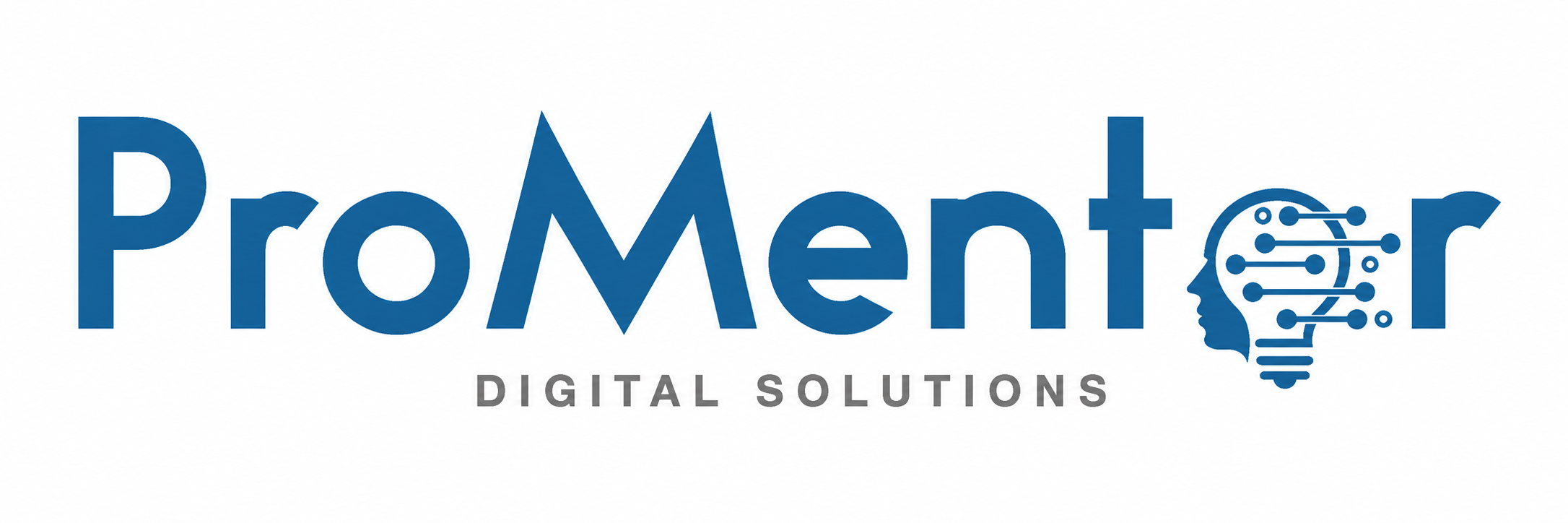
Instagram is significantly more effective than Facebook for restaurant marketing in India in 2026 for audiences under 45. Instagram’s visual-first format, strong food content culture, and Reels algorithm distribution make it the superior discovery platform for F&B businesses. Facebook remains more relevant for older demographics (45+) and for community-oriented restaurant marketing (Facebook Groups for local food communities). Most Indian restaurants should prioritise Instagram as their primary social platform and use Facebook only for event promotion and targeted Facebook Ads that run across both platforms via Meta Ads Manager.
The response formula for all negative reviews: (1) Thank the reviewer for their feedback. (2) Acknowledge the specific concern they raised without being defensive. (3) Apologise for the experience that did not meet expectations. (4) Explain concretely what you are doing to address the issue. (5) Invite them to return and offer to make it right. Never argue, never accuse the reviewer of lying, and never ignore. A well-handled negative review is often more persuasive to undecided customers than ten generic positive reviews, because it demonstrates genuine commitment to customer experience.
WhatsApp marketing is the most effective direct marketing channel for Indian restaurants and the most underused. A WhatsApp broadcast to 300 opted-in customers announcing a weekend special consistently generates 40–70 additional covers per message — at zero cost. WhatsApp ordering (where customers order directly via WhatsApp rather than Zomato/Swiggy) saves 15–20% in platform commission and builds a direct customer relationship. The keys to WhatsApp marketing success: only message opted-in contacts, limit broadcasts to 2–3 per week, make every message genuinely useful (a real special, a genuine offer), and always provide value before asking for a sale.
The fastest results come from Google Business Profile optimisation and review collection — most restaurants see measurable increases in Google Maps calls and direction requests within 4–6 weeks of fully completing their GBP and actively collecting reviews. Zomato/Swiggy profile improvements show order volume improvements within 2–4 weeks. Instagram organic growth takes 2–3 months before generating measurable walk-in referrals. Google Ads generate calls within 24–48 hours of campaign launch. WhatsApp marketing generates immediate response from the first broadcast, with growing effectiveness as the subscriber list builds over 3–6 months.
KEY TAKEAWAYS
Google Business Profile is your most important free marketing tool — 82% of Indian diners check Google before visiting. Fully optimise it and collect reviews actively.
Zomato and Swiggy are not just order channels — they are search engines. Treat your profile like an SEO project: complete menus, 20+ photos, 4.0+ rating, active review responses.
Instagram food Reels generate the highest reach for restaurant discovery in India. Post 2–3 Reels per week with quality food photography and trending audio.
WhatsApp is India’s most underused restaurant marketing channel. A list of 200–500 loyal subscribers generates more repeat revenue than most paid advertising at zero ongoing cost.
Google Ads hyperlocal campaigns (2–5 km radius, ₹1,000–1,500/day) for ‘[cuisine] near me’ queries consistently generate calls and walk-ins for Indian restaurants.
Never ignore negative reviews. Respond to every one within 24 hours using the acknowledge-apologise-action formula. A well-handled negative review builds more trust than 10 generic positive ones.
The 90-day priority sequence: GBP + review collection (weeks 1–4), Zomato/Swiggy optimisation + Instagram posting (weeks 5–8), WhatsApp list building + Google Ads test (weeks 9–12).
ProMentor Digital Solutions builds complete digital marketing strategies for restaurants across India — from Google Business Profile setup and review management to Instagram content, WhatsApp marketing, and Google Ads. Book a free 30-minute restaurant marketing consultation.
About the Author
Digital Marketing Strategist | Corporate Trainer | Founder of ProMentor Digital Solutions
Dr. Deepak S. Verma is a digital marketing strategist, educator, and corporate trainer with extensive experience in helping professionals, businesses, universities, and EdTech organizations build future-ready digital capabilities. As the Founder of ProMentor Digital Solutions, he specializes in digital marketing consulting, curriculum development, AI-enabled learning solutions, and workforce upskilling.
Over the years, he has trained thousands of learners and worked with leading organizations to design industry-focused training programs, develop academic content, and implement practical digital marketing strategies. Through his articles, Dr. Verma shares actionable insights on digital marketing, AI, career growth, and business transformation, making complex concepts easy to understand and apply.
Unleash the full potential of your digital presence with our all-in-one marketing solutions.